

Caffeine is one of the most widely consumed psychoactive substances in the world. It’s found in coffee, tea, energy drinks, sodas, and even some medications. Understanding caffeine, its effects, and how to quit can be beneficial for your overall health. Here’s a comprehensive overview:
What is Caffeine?
Caffeine is a natural stimulant that affects the central nervous system. It primarily works by blocking adenosine, a neurotransmitter that promotes sleep and relaxation, thereby increasing alertness and reducing fatigue.
Effects of Caffeine
Positive Effects:
- Increased Alertness: Helps you stay awake and alert.
- Enhanced Cognitive Function: Can improve concentration and cognitive performance.
- Improved Physical Performance: May enhance endurance and reduce perceived effort during exercise.
Negative Effects:
- Insomnia: Disrupts sleep patterns if consumed too late in the day.
- Anxiety: Can increase feelings of anxiety or nervousness in some individuals.
- Digestive Issues: May cause upset stomach or acid reflux.
- Dependence: Regular use can lead to physical dependence and withdrawal symptoms.
Recommended Daily Limits
For most adults, up to 400 milligrams of caffeine per day (about 4 cups of coffee) is considered safe. Pregnant women and those with certain health conditions may need to limit their intake further.
Signs of Caffeine Dependence
- Headaches: Often occur when caffeine levels drop.
- Fatigue: Feeling excessively tired without caffeine.
- Irritability: Mood swings or irritability due to lack of caffeine.
- Cravings: A strong desire for caffeine-containing products.
How to Quit Caffeine
1. Gradual Reduction:
- Taper Off: Slowly reduce your caffeine intake to minimize withdrawal symptoms. For example, if you normally drink 4 cups of coffee, reduce it to 3 for a week, then 2, and so on.
- Mix Decaf: Replace regular coffee or tea with decaffeinated versions.
2. Substitute Alternatives:
- Herbal Teas: Chamomile or peppermint teas are caffeine-free options.
- Water: Staying hydrated can help reduce cravings.
3. Manage Withdrawal Symptoms:
- Headaches: Stay hydrated and consider over-the-counter pain relief if needed.
- Fatigue: Allow yourself extra rest and consider short naps if necessary.
- Mood Swings: Practice relaxation techniques such as meditation or deep breathing.
4. Create a New Routine:
- Healthy Habits: Establish new routines that don’t rely on caffeine. For example, take a walk or do a short workout to boost your energy levels.
- Regular Sleep Schedule: Ensuring you get quality sleep can help reduce the need for caffeine.
5. Seek Support:
- Support Groups: Join online forums or groups for people trying to quit caffeine.
- Professional Help: If you find quitting caffeine particularly challenging, consider consulting a healthcare provider or a dietitian.
Benefits of Quitting Caffeine
- Improved Sleep Quality: Better sleep patterns and fewer disturbances.
- Reduced Anxiety: Lowered levels of anxiety and nervousness.
- Stable Energy Levels: More stable energy throughout the day without the highs and lows associated with caffeine consumption.
- Better Digestion: Fewer gastrointestinal issues.
Quitting caffeine can be challenging, but with a gradual approach and the right strategies, it’s entirely achievable. The benefits of quitting can lead to improved overall well-being and a more balanced lifestyle.
FROM THE WEB
I’ll never know how much caffeine I consumed the night I practically drank my weight in Typhoo tea, but given the fact that I stayed awake for 24 hours, it was an awful lot. The tea was delicious, the conversation with friends was engaging—and both conspired to see me consuming three pots of the stuff before I realized what I had done. Jitteriness followed; then a headache; then accelerated heart rate; and finally a full day and night of sleeplessness.
That may have been my lowest caffeine moment, but it was not remotely the only time I overindulged. Like most adults, I consume caffeine on a daily basis, and I’ve sometimes paid a price—especially in terms of insomnia. So how much caffeine is too much? How do you quit if you want to? And what is the best time of day to stop drinking it if you don’t want to spend the night staring at the ceiling? Here’s what you need to know.
How does caffeine have its effects?
In the brain, caffeine blocks or impedes the effect of adenosine, a building block of nucleic acid found in all of the cells in the body. Ordinarily, adenosine is a central nervous system depressant that promotes sleep and suppresses arousal. Caffeine starts interfering with adenosine relatively quickly; it is absorbed by the small intestine and has its peak effect within 30 minutes or so, depending on multiple factors including how much food is in your stomach.
What drinks contain caffeine?
The place most people find their caffeine is in their coffee cups, and there can be an awful lot of it there. The U.S. Food and Drug Administration recommends limiting your caffeine intake to 400 mg or less per day. A single 8-oz. cup of coffee contains about 100 mg, and with coffee shops like Starbucks selling single servings of up to 20 oz., it’s easy to break through that limit—especially if you begin consuming coffee early in the day.
Tea, of course, contains caffeine too. An 8-oz. cup of black tea has just shy of 50 mg, and green tea weighs in at close to 30. Cola has 22 mg in an 8-oz. serving, and while that is much less than coffee, soft drinks are typically served in 12-oz. cans or 20-oz. bottles, so here, too, the caffeine can add up.
As for energy drinks, beware. A small, 8.4-oz. can of Red Bull contains 80 mg of caffeine, and a concentrated, 2-oz. energy shot can contain a staggering 215 mg, according to the Mayo Clinic. Just how any one person will react to these caffeine dosings can be hard to predict, and the 400-mg limit is just a general benchmark.
“There is individual variation in how caffeine is metabolized,” says registered dietitian nutritionist Maya Feller, “so some people may experience unwanted side effects with a lower amount of caffeine.”
What are caffeine’s side effects?
Since caffeine is a stimulant, it can make it harder both to fall and stay asleep. Other side effects can include irritability, nervousness, excessive urination, headaches, and muscle tremors, says registered dietitian Mindy Haar, assistant dean at the New York Institute of Technology’s School of Health Professions. “For people with a history of anxiety, depression, or mood disorders,” Feller says, “high caffeine intake can exacerbate feelings of instability.”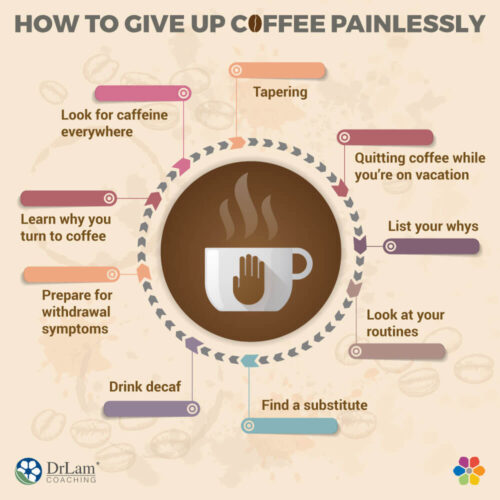
You can even have caffeine withdrawal. Symptoms can be similar to those of withdrawal from other mood-altering substances, including headaches, fatigue or drowsiness, depressed mood, irritability, poor concentration, nausea, vomiting, or muscle pain and stiffness.
So how do you safely quit caffeine?
For most people, caffeine is not harmful and may even have health benefits. According to the American Heart Association, regular coffee drinkers may be less likely to develop cancer and several other chronic diseases. Caffeine may also reduce appetite and lower depression risk. But that’s mostly true of people who consume caffeine in moderation. Others may suffer from jitteriness, insomnia, and coffee’s other unpleasant side effects. For them, abstinence—or at least cutting back—may be best.
Quitting caffeine is best done the same way you’d quit any other drug: gradually. “I do not recommend going cold turkey,” says Feller, “especially for someone who regularly consumes caffeine.” Start reducing your intake by 5% to 10% each day while drinking your caffeine earlier in the day. “Maintain this for 3-4 days, and then remove the second drink until all caffeine is consumed before noon,” and you’ve capped your daily intake at 400 mg. Continue this slow detox until your desired level.
Cutting out caffeinated beverages does have a downside. It can mean reducing the overall amount of fluids you consume in a day, and that can be bad for your health. According to the Mayo Clinic, men should drink about 15.5 cups, or 3.7 liters of fluids per day, and women should consume 11.5 cups, or 2.7 liters. Haar thus recommends replacing each caffeinated drink you eliminate with water or a decaf beverage.
What time should you stop drinking caffeine during the day?
Feller recommends that people keeping a 9 a.m. to 5 p.m. workday schedule limit their caffeine intake to the hours before noon. If you work an irregular or overnight shift, similarly stop drinking caffeine 10 or 11 hours before you go to bed. The Sleep Foundation gives you a little more wiggle room, suggesting stopping caffeine at least eight hours before bed. But again, there are person-to-person variations.
“Aside from general differences in metabolism between people,” says Haar, “obesity, smoking, use of oral contraceptives, altitude, and pregnancy can affect how long it takes for caffeine to be totally out of your system. You should observe your own intake and how easy it is to fall asleep.”