
The Engine of the Informal Economy: An Investigative Deep Dive into Nigeria’s Vehicle Demographics
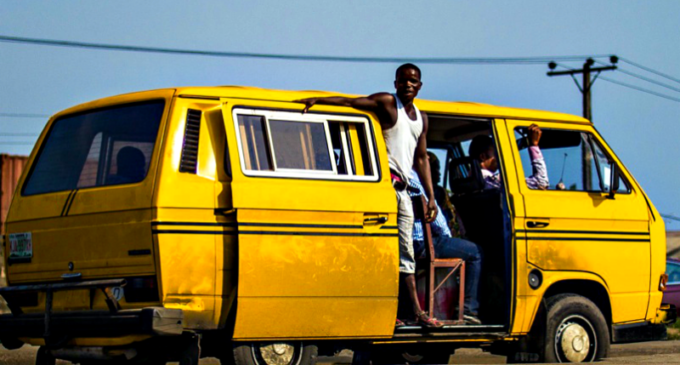
On any given morning in Lagos, the air is thick with exhaust fumes and a chorus of blaring horns. Waves of yellow minibuses—ubiquitously known as Danfos—weave aggressively through traffic, packed tightly with commuters. This scene is not unique to Nigeria’s commercial capital; it plays out across the entire federation.
In most developed economies, private passenger cars dominate the asphalt. In Nigeria, the reality is flipped. An investigation into the country’s vehicular data reveals a striking structural anomaly: commercial vehicles far outnumber private and corporate automobiles combined.
This demographic inversion tells a profound story about infrastructure deficits, macroeconomic shifts, and how everyday citizens navigate survival in Africa’s most populous nation.
The Numbers: A Statistical Breakdown
According to data compiled by the National Bureau of Statistics (NBS) and the Federal Road Safety Corps (FRSC), Nigeria’s total registered vehicle population hovers around 11.8 million. For a country of more than 200 million people, this yields a low vehicle-per-capita ratio of roughly 0.06.
However, the real revelation lies in who owns these wheels and what they are used for.
| Vehicle Category | Estimated Units | Percentage Share | Primary Use Case |
| Commercial | ~6.80 million | 58.1% | Public transit (Danfos, Korope minibuses), interstate luxury buses, haulage trucks, and delivery vans. |
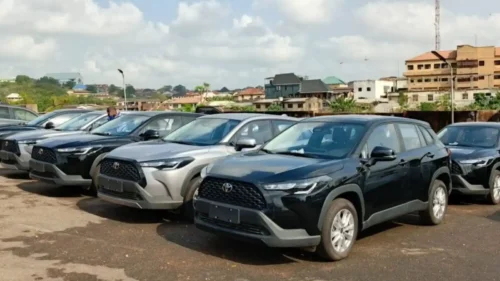
| Private | ~4.87 million | 40.7% | Personal transportation for middle-to-high-income individuals and families. |
| Government & Corporate | ~140,000 | 1.1% | State-owned utility vehicles, institutional fleets, and corporate executive cars. |
| Diplomatic | ~6,000 | 0.1% | Foreign missions and embassy operations. |
Investigative Takeaway: Nearly 6 out of every 10 vehicles on Nigerian roads are registered for commercial purposes. This heavy tilt toward commercial logistics highlights a society that moves collectively rather than individually.
The “Why” Behind Commercial Dominance
Why does a nation with an exploding population and a massive landmass have so few private cars relative to commercial ones? The reasons are systemic, rooted in economics and structural governance.
1. The Collapse of Mass Public Transit Infrastructure
Nigeria lacks a functional, interconnected intra-city and inter-city municipal transit framework. The country’s railway network, though seeing recent piecemeal updates, remains deeply inadequate for daily urban commuting or large-scale freight. Without state-subsidized subways, light rails, or organized municipal bus networks, the burden of moving millions of citizens falls squarely on the private informal sector. Commercial vehicle fleets have stepped into this vacuum to function as the country’s default public transit system.
2. The Macroeconomic Squeeze and the “Tokunbo” Factor
Purchasing a brand-new car is an impossible dream for the vast majority of Nigerians. Due to aggressive currency devaluation and high import tariffs, the automotive market is heavily reliant on Tokunbo (secondhand, foreign-used) vehicles.
With inflation hitting historic highs and the purchasing power of the middle class eroded, buying and maintaining a vehicle solely for personal use is an expensive luxury. When families or individuals do scrape together the capital to purchase a vehicle, they frequently put it to commercial use—such as registering it for ride-hailing services like Uber or Bolt—to ensure the asset generates income.
3. Haulage and the Dominance of Road Freight
Nigeria relies on roads to move over 90% of its freight and passenger traffic. Agricultural produce from the north, manufactured goods from industrial hubs, and imported commodities from the ocean ports in Apapa and Tin Can must travel by road to reach final consumers. This creates an outsized necessity for commercial articulated trucks, trailers, and tankers, further bloating the commercial vehicle statistics.
Social and Economic Ripple Effects
The imbalance between commercial and private vehicles generates deep socioeconomic ripples across Nigerian society and links the country to broader global realities.
The Inflationary Trigger
Because the economy is intensely reliant on commercial road transport for logistics, any shock to the transportation sector instantly targets the cost of living. Following the complete removal of the petrol subsidy in recent years, commercial transporters immediately doubled or tripled fares. This caused a cascading effect on food prices, as the cost of trucking yam, beans, and meat from rural farmlands to urban markets skyrocketed, intensifying food insecurity.
The Human Toll: The Road Safety Crisis
The commercial vehicle dominance directly impacts public safety. NBS and FRSC accident metrics reveal a sobering reality: over 60% of vehicles involved in fatal road crashes across Nigeria are commercial vehicles.
[Commercial Vehicles ~58% of Population] ---> Account for ---> [Over 60% of Severe Road Crashes]
Many commercial vehicles are poorly maintained, run on bald tires, and operate continuously without routine safety inspections. Driven by operators who are pressured to make multiple trips to cover high fuel costs and union dues, driver fatigue and overspeeding become deadly norms.
The Influence of Transport Unions
The sheer volume of commercial vehicles has birthed incredibly powerful informal institutions, such as the National Union of Road Transport Workers (NURTW). The collection of daily levies from commercial drivers by union agents (popularly called Agberos) constitutes a massive, shadow multi-billion-naira economy. While it provides informal employment for thousands of youths, it also functions as an informal tax on transit, driving up costs for consumers and occasionally sparking localized civil unrest during leadership disputes.
The Global and Environmental Dimension
Nigeria’s unique vehicular landscape has environmental implications that extend far beyond its borders:
-
Carbon Footprint and Health Cascades: The Tokunbo commercial fleet consists largely of vehicles manufactured more than 15 to 20 years ago. Lacking modern catalytic converters and running on low-quality fuel, they release intense amounts of particulate matter and greenhouse gases. Cities like Lagos regularly battle dense smog, causing rising urban respiratory illnesses.
-
The Energy Transition Barrier: While Western nations transition to electric vehicles (EVs) to meet global climate targets, Nigeria’s commercial fleet is structurally locked into fossil fuels. The lack of a stable national electricity grid makes setting up EV charging infrastructure an immense challenge. Consequently, Nigeria remains highly sensitive to global oil and refined petroleum market volatility.
Closing Thoughts
Nigeria’s road transport statistics expose a resilient yet precarious reality. The heavy dominance of commercial vehicles over private ones proves that the country’s roads are primarily workspaces and lifelines rather than pathways of leisure. Until massive investments are funneled into state-led rail and structured public mass transit, the informal commercial driver will remain the undisputed, exhausted engine keeping the nation moving.