
The Non-Nigerian Billionaire Oligarchs — Yesterday and Today
Gabriele Volpi vs The Chagouri Brothers vs The Boulos Family — and 20 Other Foreign Power Networks in Nigeria
Introduction
Nigeria, Africa’s largest economy and most populous nation, has long attracted foreign capital. From oil concessions in the 1960s to fintech and crypto flows today, foreign-born business families and multinational networks have accumulated immense wealth through Nigerian dealings — some through transparent investment, others amid controversy.
This is a structured deep dive into the major foreign oligarchs, their sectors, countries of residence, and how global powers benefit from Nigeria.
🇮🇹 1. Gabriele Volpi


Gabriele Volpi
-
Origin: Italy
-
Residence: Italy / Nigeria
-
Core Asset: Co-founder of Intels Nigeria (oil & gas logistics giant)
-
Sectors: Oil servicing, port logistics, infrastructure, football
Investment Scale:
-
Intels handled billions in oil service contracts over decades.
-
Dominant in Nigerian offshore logistics from 1980s onward.
Influence:
-
Former owner of Spezia Calcio
-
Former owner of HNK Rijeka
Volpi represents the oil-logistics era oligarch — rising during Nigeria’s petroleum boom.
🇱🇧 2. The Chagouri Brothers


Gilbert Chagoury
Chagoury Group
-
Origin: Lebanon
-
Residence: Nigeria / Monaco
-
Sectors: Construction, real estate, telecoms, hospitality
Major Project:
-
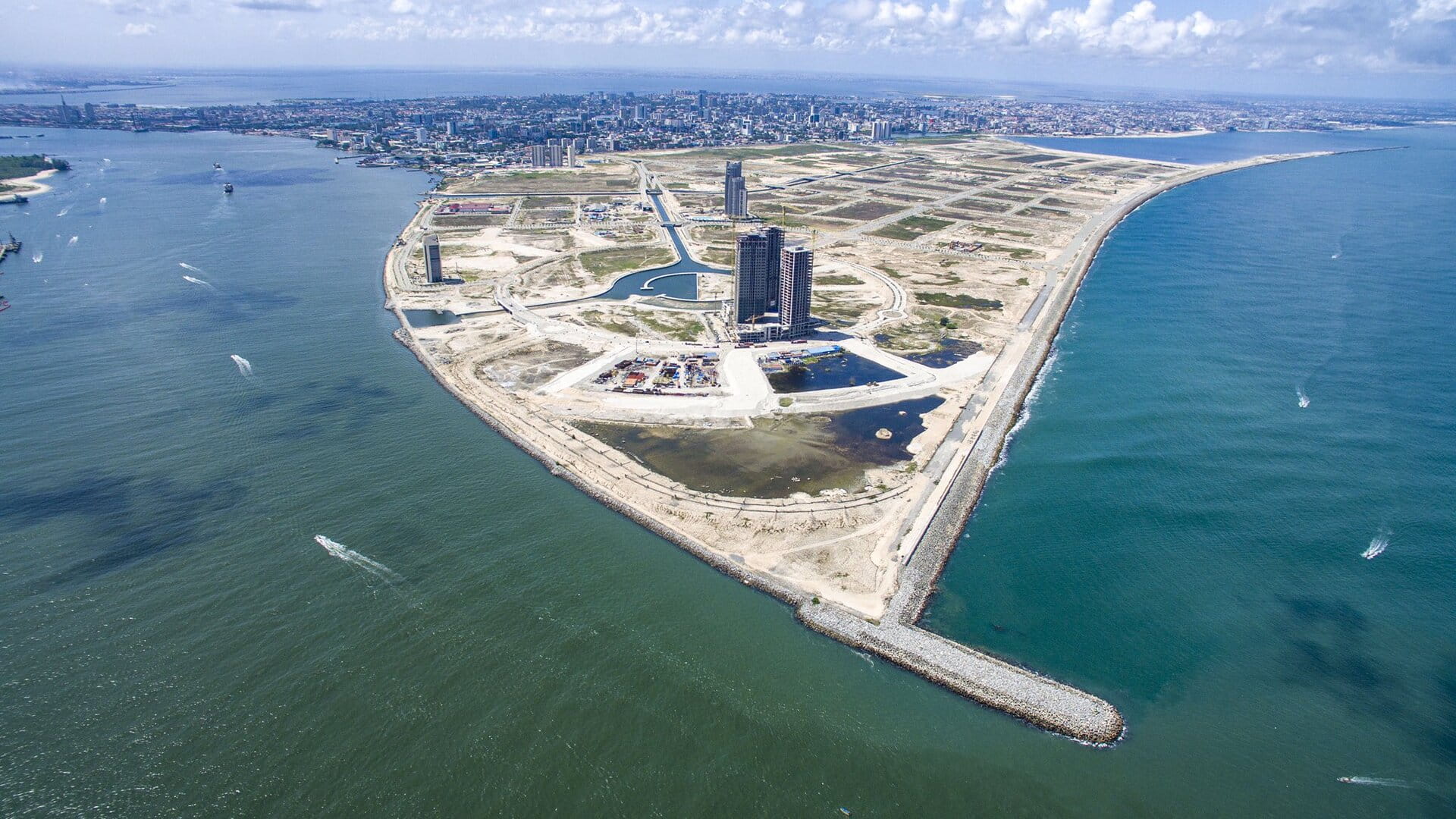
Eko Atlantic — multi-billion-dollar coastal city development.
Estimated Scale:
-
Investments span several decades; multi-billion dollar infrastructure footprint.
They represent the infrastructure-real estate power bloc.
🇱🇧🇺🇸 3. The Boulos Family

Massad Boulos
-
Origin: Lebanon
-
Residence: United States
-
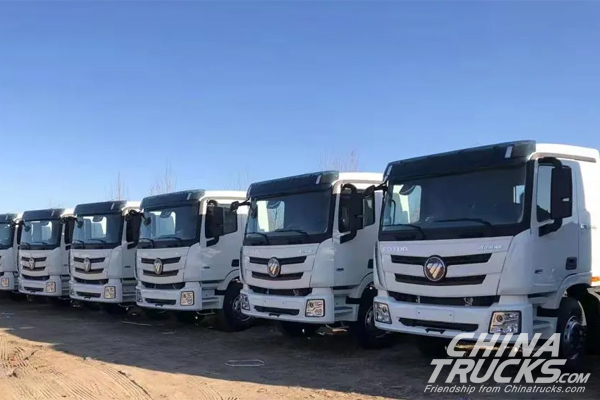
Company: SCOA Nigeria PLC
-
Sector: Industrial equipment, trucks, infrastructure support
Media prominence increased due to U.S. political ties through family connections.
They represent the industrial-commerce diaspora class.
20 Other Foreign Power Networks in Nigeria
Below are additional major foreign players by origin and sector:
| Name | Country of Origin | Sector |
|---|---|---|
| ExxonMobil | USA | Oil & Gas (>$1.5B 2025-27 investment announced) |
| Shell plc | UK/Netherlands | LNG & offshore oil |
| TotalEnergies | France | Deepwater oil |
| Eni | Italy | Gas infrastructure |
| Chevron Corporation | USA | Upstream oil |
| China Civil Engineering Construction Corporation | China | Rail & infrastructure |
| Vitol | Switzerland | Oil trading |
| Trafigura | Singapore | Commodities |
| Barclays | UK | Financial flows |
| BNP Paribas | France | Banking |
| Standard Bank | South Africa | Banking |
| Huawei | China | Telecoms |
| JBS S.A. | Brazil | Agriculture |
| SALIC | Saudi Arabia | Agro-commodities |
| Dangote Refinery* | Foreign lenders | Oil infrastructure financing |
| SoftBank | Japan | Venture capital |
| Israeli defense suppliers | Israel | Security tech |
| Turkish defense firms | Turkey | Military hardware |
| Canadian mining firms | Canada | Solid minerals |
| UAE sovereign funds | UAE | Real estate & logistics |
(*Dangote is Nigerian-owned but financed partly via foreign capital.)
Countries That Benefit from Nigeria
20 countries with significant trade/investment exposure:
United Kingdom
United States
China
France
Italy
Netherlands
India
Germany
Canada
South Africa
Brazil
Saudi Arabia
United Arab Emirates
Singapore
Turkey
Japan
Switzerland
Belgium
Mauritius
South Korea
These countries benefit via:
-
Crude oil exports
-
LNG contracts
-
Infrastructure EPC deals
-
Banking & foreign exchange flows
-
Commodity trading margins
-
Defense procurement
Investment & Profit Flow Overview
Oil & Gas
-
Nigeria FDI inflows often exceed $10-20B annually in strong reform years.
-
Exxon announced $1.5B reinvestment (2025-27).
-
LNG projects run into multi-billion USD valuations.
Infrastructure
-
Rail, ports, and coastal projects often financed in the $1B-$10B range.
Agriculture
-
Brazil & Saudi deals exceed $1B commitments.
Fintech & Crypto
-
Nigeria is Africa’s largest crypto market by volume.
-
Venture capital funding in tech has crossed $1B cumulatively in peak years.
Timeline: Foreign Oligarch Influence in Nigeria
| Era | Foreign Dominance |
|---|---|
| 1900–1960 | British colonial extraction |
| 1960–1980 | Western oil majors rise |
| 1980–2000 | Lebanese & Italian logistics power |
| 2000–2015 | Chinese infrastructure surge |
| 2015–2026 | Energy reinvestment + fintech/crypto boom |
Investment Flow Network (Text Diagram)
Oil → Offshore Contracts → Foreign Oil Majors
Oil Revenue → FX Markets → London / New York Banks
Infrastructure Loans → Chinese EPC Firms
Agro Imports → Brazil / Saudi Firms
Crypto Adoption → UAE / US VC Funds
SEO Strategy for WordPress
Primary Keywords:
-
Foreign billionaires in Nigeria
-
Non Nigerian oligarchs
-
Foreign investors in Nigerian oil
-
Countries benefiting from Nigeria
Suggested Tags:
Nigeria Economy
Oil Politics
Foreign Direct Investment
Global Trade
Oligarchs
Conclusion
Nigeria remains one of the world’s most strategically exploited and invested markets. While foreign capital has brought infrastructure, energy development, and trade growth, it has also fueled debates around corruption, resource control, and capital flight.
The story is not simply about billionaires — it is about power networks.
The Heavyweights: Volpi vs. Chagouri vs. Boulos
The power dynamics among these three entities illustrate how foreign capital has historically entrenched itself in the Nigerian state.
| Name | Origin | Core Sectors | Political/Global Ties |
| Gabriele Volpi | Italy | Oil Logistics (Orlean Invest, Intels) | Known as the “Logistics King” of the Niger Delta; close ties to former VP Atiku Abubakar. |
| Chagouri Brothers | Lebanon | Construction (Hitech), Real Estate (Eko Atlantic) | Infamous for ties to Sani Abacha; currently influential with the Tinubu administration. |
| The Boulos Families | Lebanon | SCOA Nigeria (Fadoul), Boulos Enterprises | Massad Boulos (SCOA) is Donald Trump’s Senior Advisor and father-in-law to Tiffany Trump. |
Important Distinction: There are two prominent “Boulos” families in Nigeria. Massad Boulos runs SCOA Nigeria (heavy machinery) and is the primary link to the Trump administration. The Boulos Enterprises (Suziki/motorcycles) is a separate, though equally influential, Lebanese-Nigerian dynasty.
20 Other Non-Born Families/Entities Growing Wealthy in Nigeria
These families have built “legal yet often controversial” empires across diverse sectors.
| # | Family/Individual | Country of Origin | Primary Sector(s) | Wealth Driver |
| 1 | Vaswani Brothers | India (UAE/UK Res.) | Automotive, Rice | Stallion Group; dominant in vehicle imports. |
| 2 | Leventis Family | Greece | Bottling, Logistics | A.G. Leventis; the historic Coca-Cola franchise. |
| 3 | Al-Khalil Family | Lebanon | Beverages | Seven-Up Bottling Company. |
| 4 | Aswani/Gupta (Tolaram) | Singapore/India | FMCG, Logistics | Owners of Indomie; recently acquired Guinness Nigeria. |
| 5 | Gupta Family (Indorama) | Singapore/India | Petrochemicals | Privatized Eleme Petrochemicals; multi-billion dollar profits. |
| 6 | Moukarim Family | Lebanon | Manufacturing | Mouka Foam and various construction materials. |
| 7 | Chellaram Family | India | Trade/Commerce | K. Chellaram & Sons; distribution of industrial goods. |
| 8 | Chanrai Family | India | Textiles, Agri | Kewalram Chanrai Group; massive logistics and agri-export. |
| 9 | Choithram Family | India | Retail, FMCG | Choithram & Sons; supermarket and distribution chains. |
| 10 | Cappa & D’Alberto | Italy | Construction | The premier firm for high-end Lagos infrastructure. |
| 11 | Mansour Family | Egypt | Defense & Mach. | Mantrac (Caterpillar); heavy equipment for oil/defense. |
| 12 | Fakhoury Family | Lebanon | Power/Manufacturing | Majestic Group; significant in the power generator market. |
| 13 | Khoury Family | Lebanon | Infrastructure | ITB Nigeria; construction partners for Eko Atlantic. |
| 14 | Lababidi Family | Lebanon | Food Processing | Flour and biscuits; staples in the Nigerian diet. |
| 15 | The Mittal Family | India (UK Res.) | Steel | Global steel interests with significant Nigerian off-take. |
| 16 | The Varkey Family | India (UAE Res.) | Human Resources/Ed. | GEMS Education and manpower consulting services. |
| 17 | Eyal Mesika | Israel | Defense/Security | EMI Systems; massive contracts in state and private security. |
| 18 | Yair Bin-Yair | Israel | Defense/Construction | Involved in specialized security infrastructure. |
| 19 | Yi He / CZ (Binance) | China (Global Res.) | Crypto/Forex | Massive wealth from Nigeria’s high crypto-adoption rate. |
| 20 | The Raccah Family | Syria/Lebanon | Commodities | Historic Kano-based traders in groundnuts and oil. |
20 Countries Benefiting from the Nigerian “Cash Cow”
Nigeria’s economy acts as a global siphon, where raw resource wealth is exported and refined goods (or services) are imported at a premium.
-
China: Largest source of imports ($16B+ annually) and infrastructure debt interest.
-
Britain (UK): Benefits from banking fees, legal services, and the “Brain Drain” of skilled HR.
-
United States: Technology exports and massive returns on oil majors (Chevron/Exxon).
-
India: Top buyer of Nigerian crude; dominant in the pharmaceutical and automotive retail market.
-
Netherlands: Primary hub for refining Nigerian crude into fuel sold back to Nigeria.
-
Spain: Major importer of Nigerian Liquefied Natural Gas (LNG).
-
France: Massive presence in energy (TotalEnergies) and luxury trade.
-
South Africa: Benefits through telecom (MTN) and retail (though Shoprite shifted ownership).
-
Germany: Huge profits from defense equipment, turbines (Siemens), and heavy machinery.
-
Israel: Dominates the private security and surveillance technology sector.
-
Switzerland: Hub for commodity trading (Glencore/Trafigura) and “hidden” wealth management.
-
Belgium: Major port for used car exports to Nigeria and diamond trading.
-
UAE (Dubai): The primary offshore “safe haven” for Nigerian capital flight and real estate.
-
Indonesia: Massive profits from the palm oil and instant noodle (Indomie) nexus.
-
Italy: Oil engineering (Eni/Agip) and luxury fashion exports.
-
Singapore: Base for the Tolaram and Indorama empires.
-
Brazil: High-volume agricultural trade and aviation (Embraer).
-
Japan: Dominates the used-vehicle and electronic hardware market.
-
Turkey: Rapidly growing player in defense (drones) and textile manufacturing.
-
Mauritius: Used as a tax haven for shell companies operating in Nigeria’s oil and tech sectors.
Figures of Investment and Projected Profits
Reliable data on these oligarchs is notoriously guarded, but recent financial snapshots provide a glimpse into the scale:
-
Tolaram Group (Indomie/Guinness): Following their acquisition of Guinness Nigeria, they reported a revenue surge to ₦496.6 billion in 2025, with a return to profitability (net income of ₦16.2 billion) after massive FX losses.
-
Indorama Eleme Petrochemicals: Often cited as Nigeria’s most successful privatization, the Gupta-led entity has invested over $3.5 billion since 2006, with projected annual revenues exceeding $1 billion.
-
Eko Atlantic (Chagouri): The total project value is estimated at over $6 billion, with real estate values in the district projected to appreciate by 15-20% annually as it becomes a “tax-free” financial hub.
-
UK Trade: In 2025, total trade in goods and services between the UK and Nigeria was valued at approximately £8.1 billion, a significant portion of which is the repatriation of service-sector profits.
The sheer volume of the Nigerian “Parallel Market” in foreign exchange is estimated to move billions of dollars monthly, though official figures often understate the reality of “round-tripping” and commodity arbitrage.

