
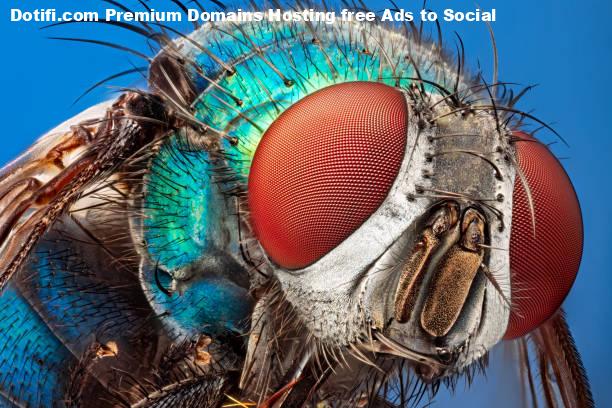
The housefly (scientific name Musca domestica) is often dismissed as a mere nuisance, buzzing around our kitchens and landing uninvited on our food. But this so-called “common fly” is far from ordinary. It plays a surprisingly important role in ecosystems worldwide, and its absence could have profound effects on humans and the planet.
The Housefly’s Role in Nature
Houseflies are often seen as pests, but they are also vital decomposers. They feed on decaying organic matter, breaking it down and recycling nutrients back into the soil. This process supports plant growth, indirectly sustaining food chains that humans rely on. Their larvae, commonly known as maggots, play an essential role in decomposing dead animals and waste, keeping the environment clean and reducing the spread of diseases.
Moreover, houseflies serve as a food source for numerous predators, including spiders, birds, and other insects. Without houseflies, many of these species could face population declines, disrupting ecological balance.
What Would Happen if Houseflies Disappeared?
If houseflies were to vanish, humanity might initially celebrate the absence of these buzzing intruders. However, the consequences could quickly turn dire:
-
Waste Accumulation: Without houseflies to aid in the decomposition of organic waste, garbage and dead matter would accumulate more rapidly, potentially leading to an increase in other, more harmful pests like rats or cockroaches.
-
Ecosystem Imbalance: Animals that feed on houseflies would struggle to find alternative food sources, leading to cascading effects in food webs.
-
Impact on Decomposition Cycles: Slower breakdown of organic matter would disrupt nutrient cycles, negatively impacting plant growth and agricultural productivity.
The Speed and Skill of the Housefly
Houseflies are marvels of evolution. They can fly at speeds of up to 4.5 miles per hour (7.2 km/h), making them one of the fastest insects for their size. Their compound eyes allow them to see nearly 360 degrees simultaneously, enabling them to evade threats with remarkable agility. Combined with their rapid wing-beat frequency—about 200 beats per second—this makes them elusive targets for both predators and frustrated humans wielding fly swatters.
House Fly Maggot 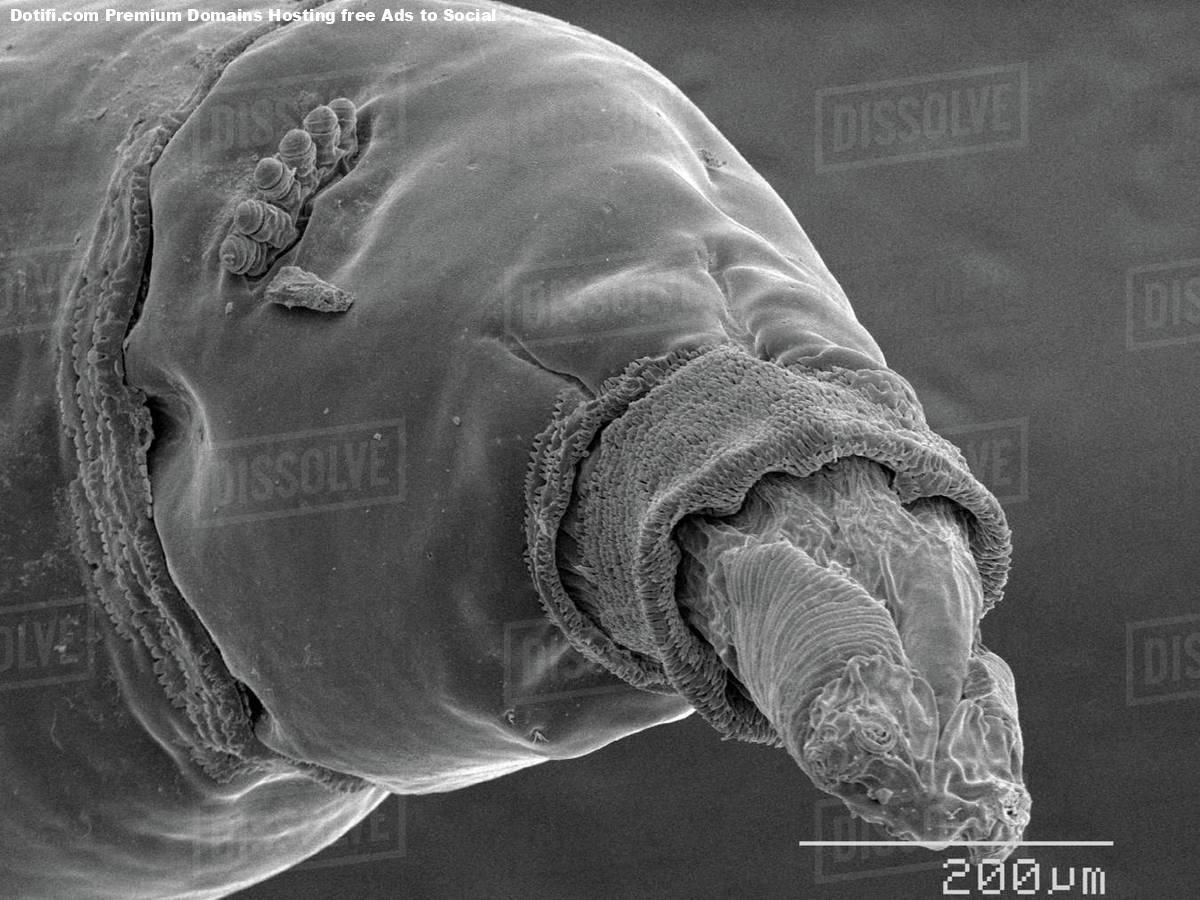
Are Houseflies Essential for Life on Earth?
While not irreplaceable in the grand scheme of life, houseflies contribute significantly to maintaining ecological balance. Their roles in decomposition, nutrient cycling, and food chains make them an integral part of many ecosystems.
Top Ten Insects and Animals Humans Depend on Ecologically
-
Bees: Pollinate crops, essential for producing fruits, vegetables, and nuts.
-
Earthworms: Enrich soil through their burrowing and decomposition of organic matter.
-
Butterflies: Act as pollinators and indicators of environmental health.
-
Ladybugs: Control pest populations, particularly aphids.
-
Ants: Aerate soil and help with seed dispersal.
-
Bats: Consume vast quantities of insects, reducing pest populations.
-
Dung Beetles: Recycle animal waste, promoting nutrient cycling.
-
Frogs: Control insect populations and act as environmental health indicators.
-
Spiders: Control populations of harmful insects.
-
Birds: Aid in seed dispersal, pest control, and pollination.
Conclusion
The “common” housefly is far from trivial. Its existence is deeply interwoven with Earth’s ecological balance, and its absence would leave a void with cascading consequences for life as we know it. While we might not celebrate its presence, the next time a fly buzzes by, perhaps we should appreciate its quiet contributions to the natural world. After all, even the humblest creatures play indispensable roles in the symphony of life.