
By Henry Ojelu
In what may be described as a historic legislative intervention aimed at reimagining traditional governance, the Lagos State Government is set to repeal and re-enact the Obas and Chiefs Law. The proposed bill, which recently came under intense review at a stakeholders’ meeting convened by the State Ministry of Justice, has been widely viewed as a strategic attempt to bring clarity, order, and legal force to the evolving roles of traditional rulers in the state’s modern administrative framework.
Stakeholders present at the meeting included prominent monarchs from across the five divisions of Lagos, leaders of traditional institutions, legal experts, members of the Lagos State House of Assembly, community leaders, and officials from the Ministry of Justice. The proposed legislation drew praise for some of its bold provisions, even as it triggered intense debate on issues of power, autonomy, and the sensitive dynamics of culture and modern governance.
From strengthening the authority of the governor over chieftaincy matters, to criminalising unauthorised installations, the draft bill introduces significant innovations that could reshape the future of traditional leadership in Nigeria’s most populous state.
Law & Human Right explores the key highlights of the proposed law and its implications for the traditional institution in Lagos.
Codified role for monarchs
One of the most applauded innovations in the proposed law is the clear articulation of the roles of traditional rulers. In Section 2, for the first time, the responsibilities of Obas and Chiefs are codified into the legal framework, effectively removing the ambiguity that has surrounded their relevance in a democratic setting.
According to the bill, the responsibilities of traditional rulers now include conflict resolution through mediation, security maintenance, promotion of community development, and the facilitation of communication between the people and government. Traditional rulers are also to support government initiatives such as tax compliance and revenue generation.
The formal recognition of these roles addresses long-standing concerns about the marginalisation of Obas in modern governance structures. Many stakeholders at the stakeholders’ meeting described this provision as a long-overdue nod to the unquantifiable grassroots influence wielded by traditional institutions.
The law, as proposed, finally bridges the gap between heritage and the contemporary needs of governance. Obas have always played these roles, but now the law empowers them to do so with legal backing.
Tax exemption for palaces, traditional residences
Another significant innovation is the exemption of official palaces and traditional homes—such as the Iga and Awanu—from property rates and levies. This provision recognises the unique cultural and public service value of these structures and shields them from encroaching tax obligations that could otherwise undermine their sustainability.
More importantly, the law also allows for the public maintenance of such buildings with the consent of the Oba or Chief involved. With this, the Lagos State Government acknowledges the cost-intensive nature of preserving traditional institutions and opens the door for state-funded support, provided such expenses are properly vetted and approved by the Commissioner.
Governor’s expanded powers
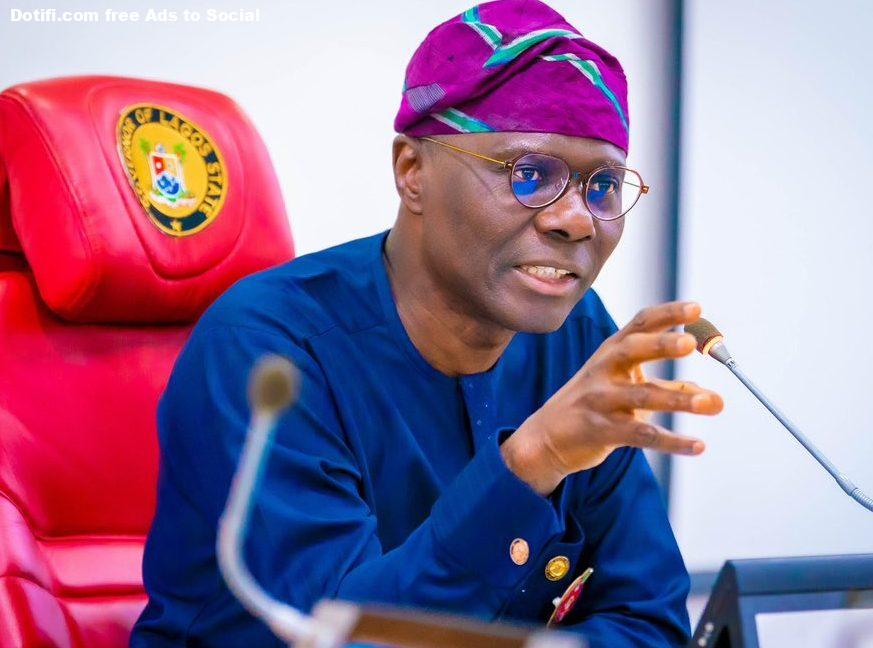
One of the more controversial aspects of the bill lies in the expanded powers given to the Governor over the appointment and removal of traditional rulers. Under the new law, the Governor may approve or set aside any appointment, and even when the customary process is followed, the Governor retains the discretion to reverse the outcome in the interest of peace, order, or good governance.
While the state argues that this is necessary to prevent chieftaincy-related crises, critics warn that it may over-centralize power and infringe on cultural autonomy.
To guard against potential abuse, the bill allows aggrieved families, ruling houses, or candidates to challenge the Governor’s decision in court within 21 days. Additionally, the law requires the Governor to act within 60 days of receiving a petition or representation, ensuring procedural discipline.
Legitimising customary Chief
The bill provides strong mechanisms for the recognition and regulation of customary chiefs through designated Chieftaincy Committees in local government areas. These committees are empowered to approve appointments and resolve disputes in line with customary law.
A major innovation here is the criminalisation of unlawful installation or impersonation of chiefs. Section 23 outlines severe penalties—including a two-year custodial sentence or a fine of N5 million—for anyone who installs themselves or others without the requisite approvals. This is seen as a long-awaited remedy to the increasing incidence of fake chiefs and parallel rulerships that have plagued some communities.
The bill goes further to prescribe punishment for those who obstruct installation ceremonies or unlawfully occupy chieftaincy property, ensuring that court-backed and government-recognised chiefs can fully exercise their authority without interference.
Criteria for creating new stools
The process of creating a recognised chieftaincy title has also been streamlined under the proposed law. A traditional stool must have existed for at least 120 years under customary law before it can be considered for recognition. This, the drafters argue, is aimed at preserving historical integrity and preventing frivolous creation of titles.
According to the law, proposals for new titles must go through a rigorous process including community inquiry, legal vetting by the Ministry of Justice, and eventual approval by the Governor. Moreover, the public is given a 30-day window to make representations for or against the creation of any new title. This lengthy process is designed to ensure that the dignity of the traditional institution is preserved and not diluted by political or opportunistic creations.
By institutionalizing public participation in the creation of new traditional rulers, the law enhances transparency and legitimacy—two factors that have been historically absent in many controversial appointments.
Classification of Obas
Another innovation is the formal classification of Obas into Special Grade, Grade A, Grade B, and Grade C. Grade C comprises Baales and Chiefs who have been upgraded. This classification system is expected to reduce disputes over status and ranking among traditional rulers, an issue that has often led to intra-council tensions.
The proposed law also introduces stricter controls over honorary chieftaincies. Unlike before, only Obas can now confer such titles—up to five per year—and must obtain approval from the Commissioner beforehand.
The law also criminalises honorary titles conferred by unauthorised persons, underscoring the government’s intent to preserve the sanctity of traditional institutions.
According to the proposed law, any person who confers titles outside the new framework commits an offence punishable by two years imprisonment or N5 million fine.
Also, honorary chiefs are not eligible for succession or recognition as traditional rulers, thereby preserving the distinction between cultural recognition and legal authority.
Council of traditional rulers reorganised
In Part 8 of the proposed law, the Lagos State Council of Traditional Rulers is formally restructured. The Oba of Lagos is established as the permanent Chairman, supported by four Deputy Chairmen from each of the state’s major divisions and five Vice- Chairmen rotating among Grade A Obas.
The Council will now consist of 60 members in total and is expected to play a more active role in advising the government on traditional matters, policy feedback, and conflict mediation across the state.
This new structure recognises both the historical weight of the Lagos monarchy and the diversity of the state’s traditional leadership spread across its urban and rural communities.
Many believe the proposed law—despite its complexities—offers a balanced approach to reform. It respects historical traditions while positioning traditional rulers to be more effective partners in state development and security.
However, analysts caution that the success of the law will depend on its implementation and the willingness of all parties—government, traditional institutions, and the public—to respect its provisions.
“The law is only as strong as our commitment to justice and due process. If properly implemented, this could become a model for traditional leadership reform in Nigeria,” said Dr. Kehinde Adedoyin, a political anthropologist.
Conclusion
Lagos State’s attempt to modernise its traditional governance system through a detailed and far-reaching legal framework is both timely and commendable. By defining the roles, regulating appointments, protecting authenticity, and creating clear legal pathways for recognition, the bill signals a new era in the relationship between state institutions and traditional authority.
As Nigeria continues to grapple with issues of identity, governance, and community leadership, Lagos may once again be leading the way—this time not just in infrastructure or commerce, but in the delicate art of balancing tradition with progress.
The post Lagos rewrites chieftaincy law, gives gov final say appeared first on Vanguard News.
Facebook Comments